Source injection molded acrylic wind deflector for Auto, Home, Medical
Find 30 listings for injection molded acrylic wind deflector designed for automotive, household, and medical applications. Buyers can compare specifications, materials, and customization options from verified suppliers in China.
Key considerations
Products List


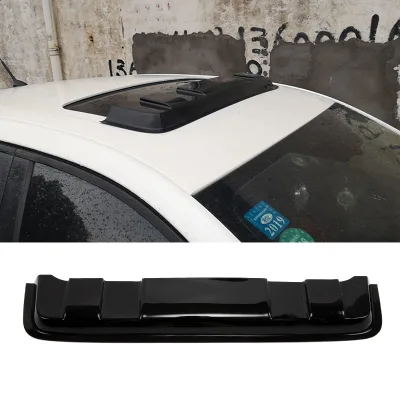
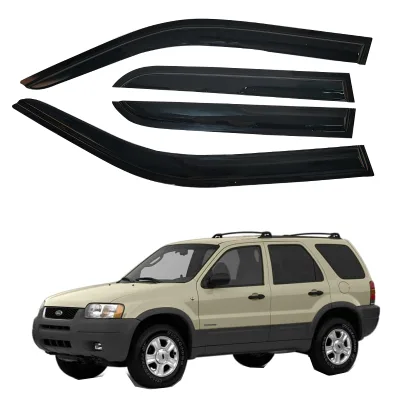


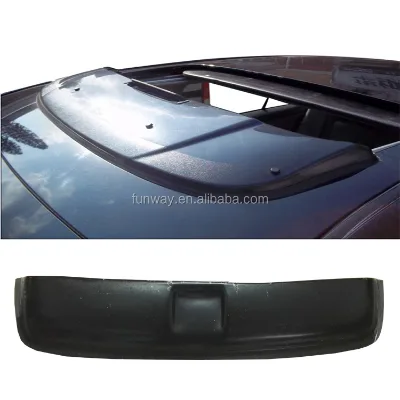



Comprehensive Sourcing Guide
Strategic Sourcing Guide for Injection Molded Acrylic Wind Deflectors
Understanding Product Specifications and Material Composition
When sourcing injection molded acrylic wind deflectors, buyers must first distinguish between the core material properties and the specific application requirements. The market presents a diverse range of attributes, necessitating a clear understanding of the raw materials involved. Acrylic, often referred to as PMMA (Polymethyl Methacrylate), is a primary material of interest for this category. In the context of reflectors and optical components, the material is frequently specified as "PMMA" or "Acrylic," offering high transparency and excellent weather resistance. However, procurement data also indicates the presence of plastic components and steel parts within broader automotive and industrial supply chains. Buyers must verify that the specific wind deflector order explicitly confirms the use of injection-molded acrylic rather than generic plastic or steel, as the latter materials serve different mechanical functions such as structural support or heavy-duty durability.
The physical dimensions of the product are critical for integration. Observed specifications in the market include sizes such as 9018CM and 100cm, alongside more granular measurements like 9.652.94mm for specific sub-components. These variations suggest that a "one-size-fits-all" approach is rarely applicable. The molding process must accommodate these precise tolerances, with some industrial standards citing a forging tolerance of +/-0.1mm for related metal parts, though acrylic injection molding relies on different precision metrics. Buyers should request detailed CAD drawings and dimension sheets to ensure the deflector fits the intended mounting surface, whether for automotive, agricultural, or household applications. The application scope is broad, ranging from road studs and automotive parts to general home and electronics usage, which dictates the required optical clarity and structural integrity.
Compliance, Certification, and Regulatory Standards
Navigating the regulatory landscape is essential for international procurement, particularly when sourcing from major manufacturing hubs like China, including regions such as Jinan, Dongguan, and Ningbo. The supply chain for injection molded components often requires adherence to specific safety and environmental standards. Verified certifications observed in the sector include RoHS, CE, CCC, and ISO 9001. These certifications indicate that the manufacturer adheres to restrictions on hazardous substances and maintains a quality management system. For wind deflectors intended for automotive or medical applications, the presence of ISO 9001 is particularly significant, as it suggests a standardized approach to production consistency.
However, buyers must exercise caution when interpreting these standards. While some listings explicitly state "ISO 9001:ISO 9001:CE" or "RoHS,CE," others may only list generic standards like "Universal" or "As Per Design." It is crucial to verify that the specific batch of acrylic wind deflectors carries valid, current certificates rather than relying on general supplier claims. The origin location, such as Zhejiang or Dongguan, often correlates with specific regional regulatory compliance capabilities. For instance, products originating from Dongguan may have different export compliance protocols compared to those from Jinan. Buyers should not assume that a supplier's general certification covers every product line; instead, they must request test reports and certification documents specific to the acrylic wind deflector model being procured.
Cost Drivers and Pricing Variables
The pricing structure for injection molded acrylic wind deflectors is influenced by several dynamic factors, including material costs, order volume, and customization requirements. The observed market price range is extensive, spanning from $0.10 to $500.00 USD. This wide variance is not indicative of a single product type but rather reflects differences in size, complexity, and order quantity. Smaller components, such as those weighing only 7g or used in road studs, will naturally fall at the lower end of this spectrum. Conversely, larger units, such as those measuring 100cm or designed for complex automotive applications, will command higher prices.
Minimum Order Quantity (MOQ) is another significant cost driver. The market data indicates an MOQ range from 1 to 10,000 units. Suppliers with lower MOQs, such as 1000 units, may charge a premium per unit to cover setup costs for injection molding machines. Conversely, buyers ordering near the upper limit of the range can often negotiate better unit prices. Customization is a key variable; while customization is listed as "Available," any deviation from standard designs, such as specific colors like black or unique dimensions, will increase the tooling and production costs. Additionally, the packaging method, whether standard cartons, pallets, or specialized foam packing, impacts the final landed cost. Buyers should analyze the total cost of ownership, including shipping and packaging, rather than focusing solely on the unit price.
Typical Applications and Functional Requirements
Injection molded acrylic wind deflectors serve a multitude of industries, each with distinct functional requirements. The primary application areas identified include automotive, agricultural, electronics, household, and medical sectors. In the automotive industry, these deflectors are often used to manage airflow, reduce wind noise, or protect sensitive components. The material's transparency makes it ideal for applications where visibility is paramount, such as in vehicle lighting assemblies or interior trim. For agricultural and household use, the durability and weather resistance of acrylic are critical, as these products are often exposed to harsh environmental conditions.
The specific design of the deflector must align with its intended use. For example, a deflector for a road stud requires high reflectivity, potentially utilizing a reflective lattice or PMMA reflector material. In contrast, a deflector for an air conditioner or HVAC system might prioritize airflow efficiency and noise reduction over optical properties. The "Use for" attribute in the market data points to road studs, while other listings mention "Air conditioner parts" and "Deflector" models. This diversity underscores the need for buyers to clearly define the functional context of their purchase. A deflector designed for an agricultural vehicle may require different impact resistance compared to one used in a medical device, where cleanliness and chemical resistance are more important.
Supplier Evaluation and Geographic Considerations
Selecting the right supplier involves evaluating their geographic location, production capabilities, and responsiveness. The supply chain for these components is concentrated in specific regions of China, including Jinan, Dongguan, Ningbo, and Zhejiang. Each region may have specialized expertise; for instance, Dongguan is known for high-precision manufacturing, while Ningbo often focuses on export-standard packaging and logistics. Buyers should verify the supplier's physical location to ensure it aligns with their logistical needs and quality expectations.
Supplier evaluation should also consider their production processes. Some manufacturers utilize advanced techniques such as quenching and polishing, which are typically associated with metal parts but indicate a high level of precision and surface finish capability. The "Forging Tolerance" and "Surface Treatment" attributes suggest that some suppliers offer a comprehensive range of manufacturing services. When evaluating potential partners, buyers should assess their ability to handle customization requests, as "Customization" is a listed attribute. Furthermore, the availability of free samples is a valuable indicator of a supplier's confidence in their product quality. A supplier willing to provide samples allows for rigorous testing before committing to a large order, mitigating the risk of receiving substandard acrylic components.
Quality Control and Long-Term Procurement Strategies
Implementing a robust quality control (QC) framework is essential for maintaining the integrity of injection molded acrylic wind deflectors. Buyers should establish clear acceptance criteria based on the observed specifications, such as weight, dimensions, and material composition. The "Weight" attribute, noted as 7g for certain components, serves as a quick check for material density and consistency. Dimensional accuracy is equally important; discrepancies in size, such as deviations from the standard 90*18CM or 100cm, can lead to installation failures.
Long-term procurement strategies should focus on building relationships with suppliers who demonstrate reliability and consistency. The "Warranty" attribute, with some suppliers offering coverage for more than 5 years, indicates a commitment to product longevity. However, buyers must verify the terms of this warranty to ensure it covers specific failure modes relevant to their application. Packaging is another critical aspect of long-term quality; options range from simple cartons to export-standard packing with foam and high-strength boxes. Proper packaging ensures that the acrylic components arrive without scratches or cracks, preserving their optical and structural properties. By prioritizing suppliers with proven track records, clear certifications, and flexible customization options, buyers can secure a stable supply chain for their injection molded acrylic wind deflector needs.
Comparative Analysis of Product Attributes
To facilitate informed decision-making, the following table summarizes key product attributes observed in the market for injection molded acrylic wind deflectors and related components. This comparison highlights the variability in specifications, materials, and certifications that buyers must navigate.
| Attribute Category | Observed Value/Option | Relevance to Sourcing |
|---|---|---|
| Material | Acrylic, PMMA, Plastic, Steel | Confirms optical clarity vs. structural strength requirements. |
| Dimensions | 9018CM, 100cm, 9.652.94mm | Critical for fitment and integration into specific assemblies. |
| Certification | RoHS, CE, CCC, ISO 9001 | Ensures compliance with safety and environmental regulations. |
| Origin | Jinan, Dongguan, Ningbo, Zhejiang | Influences logistics, lead times, and regional quality standards. |
| MOQ | 1 to 10,000 Units | Determines initial investment and inventory management strategy. |
| Customization | Available | Allows for tailored solutions but may increase cost and lead time. |
| Packaging | Carton, Pallet, Foam Packing | Affects product protection and shipping costs. |
| Application | Automotive, Agricultural, Home, Medical | Defines the necessary performance and durability standards. |
This table serves as a reference point for buyers to cross-reference their specific requirements against available market offerings. It emphasizes that while the core keyword is "injection molded acrylic wind deflector," the actual product landscape is diverse. Successful sourcing requires matching the specific application needs with the correct material properties, dimensions, and supplier capabilities. By adhering to these guidelines and verifying all claims against the provided facts, buyers can mitigate risks and secure high-quality components for their projects.
FAQs
What materials are used for injection molded acrylic wind deflectors?
The primary materials observed are acrylic, PMMA, and general plastic, though some components may include steel. Buyers must verify the specific material composition for each order, as generic plastic or steel parts serve different mechanical functions than optical acrylic components.
Which certifications should I look for in injection molded acrylic wind deflectors?
Verified certifications often include RoHS, CE, CCC, and ISO 9001, indicating compliance with safety and quality standards. Buyers should request specific test reports for the batch, as general supplier claims may not cover every product line or specific model variations.
How does the MOQ affect pricing for injection molded acrylic wind deflectors?
The market shows an MOQ range from 1 to 10,000 units, with some suppliers requiring a minimum of 1000 units. Lower MOQs may carry a higher unit price to cover setup costs, while larger orders near the upper limit often allow for better negotiation on unit pricing.
Can I find free samples for injection molded acrylic wind deflectors?
Free samples are available from some suppliers, indicating confidence in their product quality. This allows buyers to perform rigorous testing before committing to a large order, mitigating the risk of receiving substandard acrylic components or incorrect dimensions.
What are the typical dimensions for injection molded acrylic wind deflectors?
Observed specifications include sizes like 90*18CM, 100cm, and granular measurements such as 9.65*2.94mm for sub-components. Buyers should request detailed dimension sheets to ensure the deflector fits the intended mounting surface, as a one-size-fits-all approach is rarely applicable.
Where are injection molded acrylic wind deflector manufacturers located?
Manufacturing hubs are concentrated in regions like Jinan, Dongguan, Ningbo, and Zhejiang within China. Each region may have specialized expertise, so buyers should verify the physical location to ensure it aligns with their logistical needs and regional quality standards.